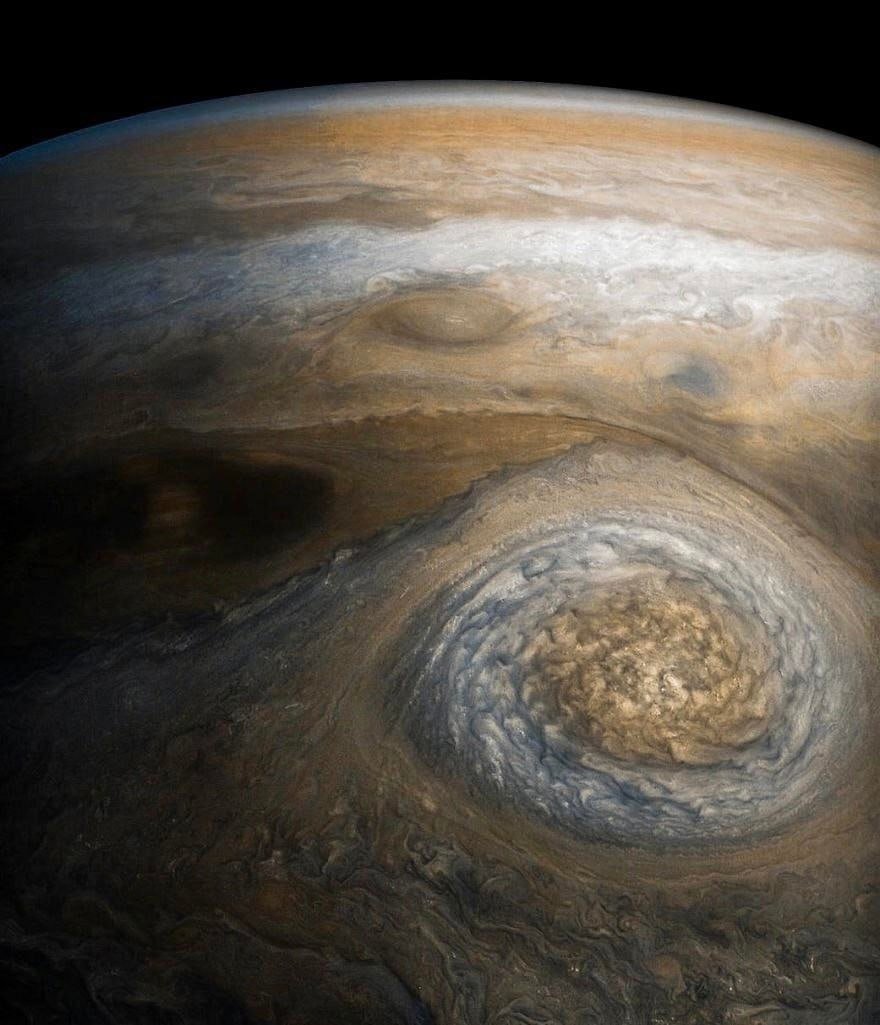
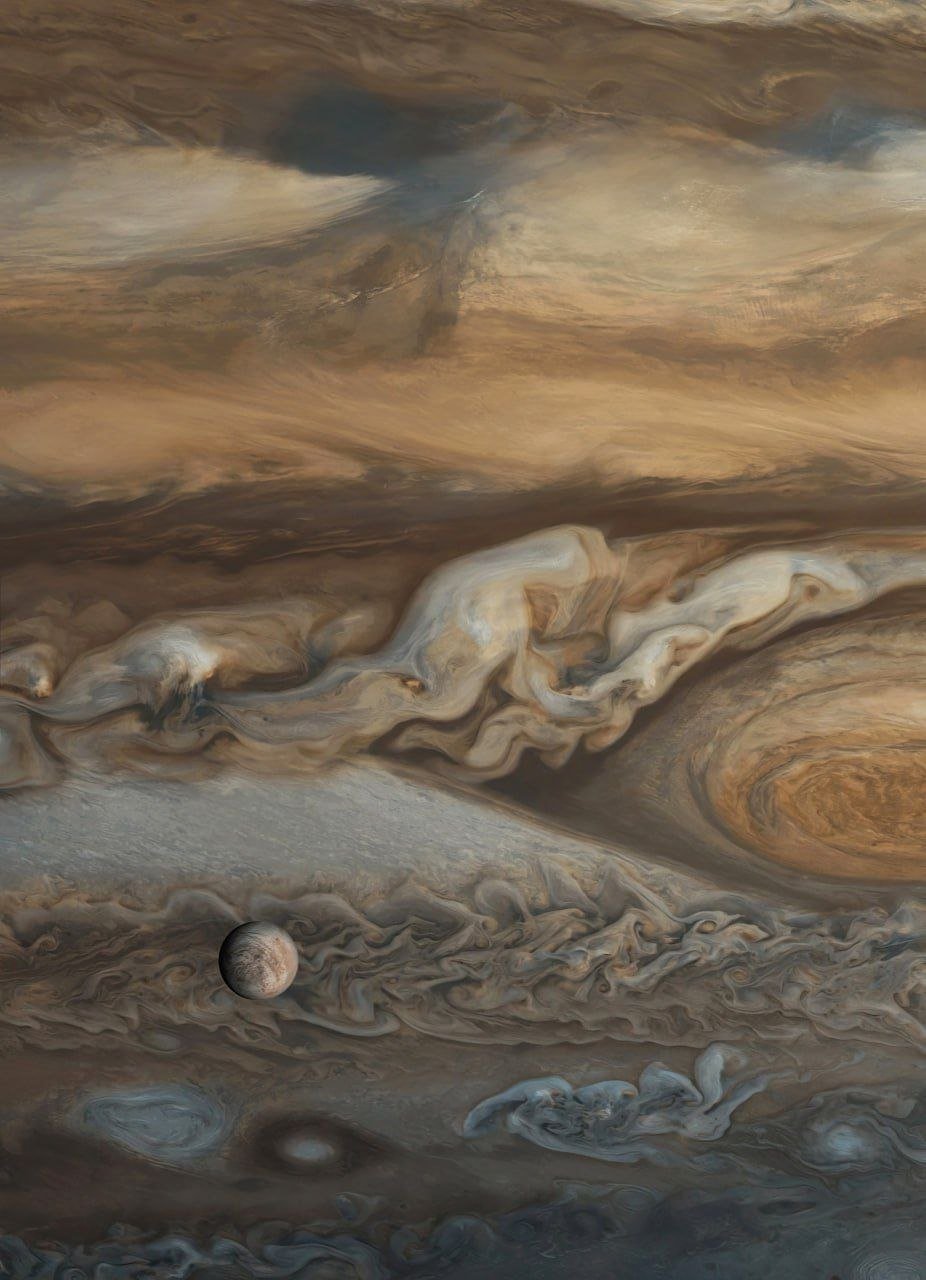
Europe is a moon of Jupiter with an icy surface and a hidden ocean beneath. Scientists believe that this ocean could potentially harbor life due to its similarities to Earth's oceans. The moon's surface is marked by long cracks and ridges, caused by the gravitational pull of Jupiter, which generates immense tidal forces on Europe. These forces create heat within the moon, maintaining its subsurface ocean in liquid form.

NASA's upcoming mission to Europe, called the Europa Clipper, aims to study the moon's potential for hosting life. The spacecraft will conduct multiple flybys to analyze Europe's surface and study the composition of its ocean. Scientists hope that the mission will provide valuable insights into the moon's habitability and the possibility of finding extraterrestrial life within our own solar system.
Europe is a moon of Jupiter with an icy surface and a hidden ocean beneath. Scientists believe that this ocean could potentially harbor life due to its similarities to Earth's oceans. The moon's surface is marked by long cracks and ridges, caused by the gravitational pull of Jupiter, which generates immense tidal forces on Europe. These forces create heat within the moon, maintaining its subsurface ocean in liquid form.