Space

New Production Building of Research Institute "NIIMash" Opens in Sverdlovsk Region

New Production Building of Research Institute "NIIMash" Opens in Sverdlovsk Region Located in Nizhnyaya Salda, the new facility will focus on producing fuel tanks, small, and large-scale engine systems for satellite systems and carrier rockets. To support its operations, over 200 pieces of equipment have been purchased and installed at the new building of JSC "NIIMash," which is a part of Roscosmos.


"Dark Nebula 'Coal Sack' in Crux Constellation Captured by Hubble Telescope"

"Dark Nebula 'Coal Sack' in Crux Constellation Captured by Hubble Telescope" The "Coal Sack" nebula, a dark nebula located in the Crux constellation, has been recently captured in an image taken by the Hubble telescope. This astronomical phenomenon showcases the beauty and complexity of the universe, offering a glimpse into the mysterious dark regions of space within the Crux constellation. The Hubble telescope's high-resolution image provides an opportunity for astronomers and space enthusiasts to study and appreciate the intricate details of this dark nebula.


Iki Ras: Magnetic Storm Happening on Earth

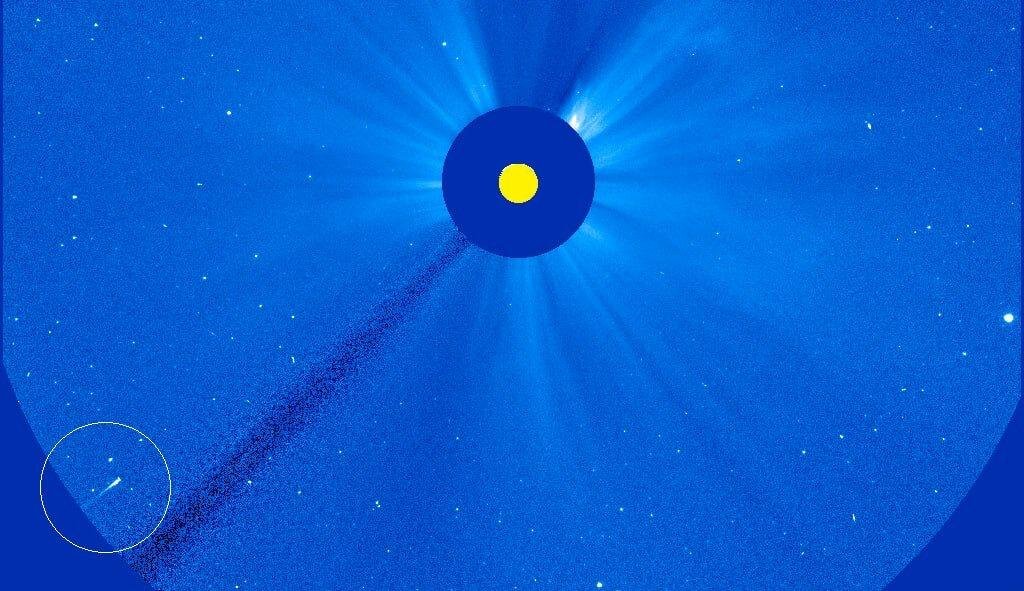
Iki Ras: Magnetic Storm Happening on Earth On February 15, the second storm of the month started, rated at 1.3 on the G scale. Astronomers predict it to continue for up to two days. The magnetic storm is triggered by a coronal hole on the Sun, positioned opposite Earth. Today at 07:35 AM (MSK), instruments recorded a M2.4 class flare of medium intensity.


Stunning NGC 2244, also known as the Rosette Nebula

Stunning NGC 2244, also known as the Rosette Nebula The Rosette Nebula, also designated as NGC 2244, is a dazzling astronomical object. It is a large, circular H II region located in the Monoceros region of the Milky Way Galaxy. The nebula gets its name from its rose-like shape when observed in certain wavelengths. NGC 2244 is a cluster of hot, young stars that formed from the surrounding gas and dust, illuminating the nebula and creating its breathtaking appearance. This beautiful celestial structure, situated approximately 5,200 light-years away from Earth, captivates astronomers and stargazers alike with its intricate details and vibrant colors. The Rosette Nebula serves as a prime example of the ongoing star formation processes within our galaxy, offering valuable insights into the birth and evolution of stars.


In 2026, the sky will gift us with two solar eclipses

In 2026, the sky will gift us with two solar eclipses Both events will be observable from Earth, yet their visibility and phase will vary depending on the region. In a new article, we delve into what a solar eclipse is and how to choose the best location to observe this celestial spectacle.


apollo 14 crew witnesses Earthrise from lunar orbit

apollo 14 crew witnesses Earthrise from lunar orbit The Apollo 14 crew had a breathtaking view as they departed lunar orbit in February 1971 - an Earthrise from their command module. This awe-inspiring sight of Earth rising above the lunar horizon serves as a powerful reminder of the beauty and fragility of our planet, highlighting the importance of space exploration and our place in the universe.


Mars Before Dawn

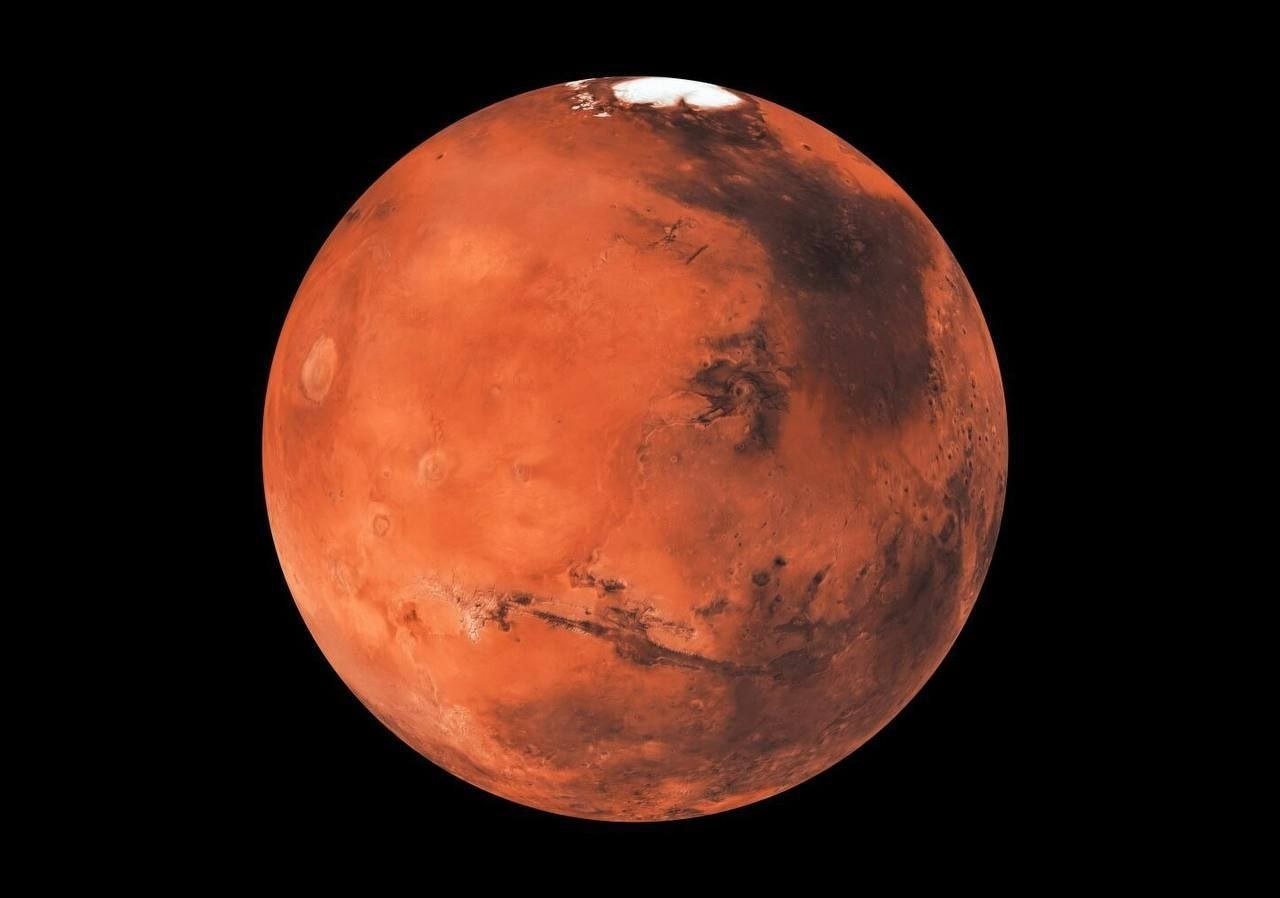
Mars Before Dawn The Perseverance rover recently photographed the Martian landscape just before sunrise, revealing a bright spot identified as Deimos, one of the planet's moons. Deimos, smaller than Phobos, orbits farther from Mars. Consequently, its apparent size in the Martian sky is only 1/10th of the visible Sun's, yet its brightness is akin to Venus as viewed from Earth.


Moscow Planetarium and "Shvabe" Collaborate to Promote Science

Moscow Planetarium and "Shvabe" Collaborate to Promote Science The Moscow Planetarium and "Shvabe" have partnered to organize educational lectures, career guidance sessions, and showcase cutting-edge advancements by Russian scientists. "Shvabe" companies, part of the holding, have a long history of creating optical instruments for space research.


Daily, Earth receives around 5-6 tons of meteoritic material, with the majority burning up upon entry into the atmosphere. Meteors can travel at speeds ranging from 11 to 72 km/s, causing them to ignite and appear as bright fireballs as they descend.

Daily, Earth receives around 5-6 tons of meteoritic material, with the majority burning up upon entry into the atmosphere. Meteors can travel at speeds ranging from 11 to 72 km/s, causing them to ignite and appear as bright fireballs as they descend. Occasionally, a meteorite's internal composition is irregular and fragile, leading to explosions in the air. This results in the fragments scattering and falling to the ground, a spectacle known as a meteor shower.


Massive Galaxy NGC 2841 in Ursa Major

Massive Galaxy NGC 2841 in Ursa Major The spiral galaxy NGC 2841, located 46 million light-years away in the northern constellation Ursa Major, is one of the most massive galaxies known.