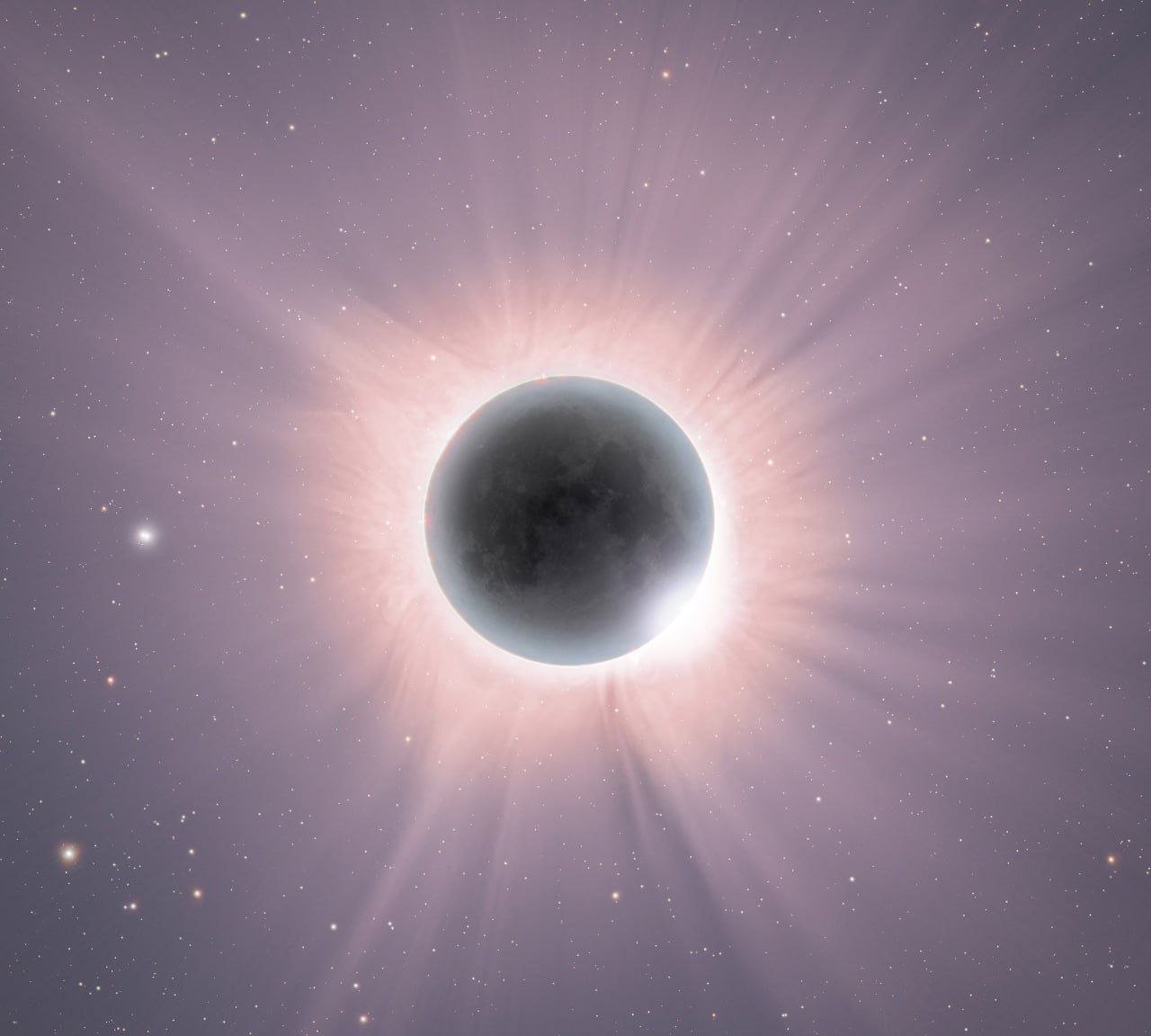
The Sun is a star at the center of our solar system, providing light and heat essential for life on Earth. It is a massive ball of burning gas, primarily composed of hydrogen and helium. The Sun's surface temperature reaches about 10,000 degrees Fahrenheit, while its core temperature can soar to millions of degrees. Solar flares and sunspots are common occurrences on the Sun's surface, affecting space weather and communications on Earth.
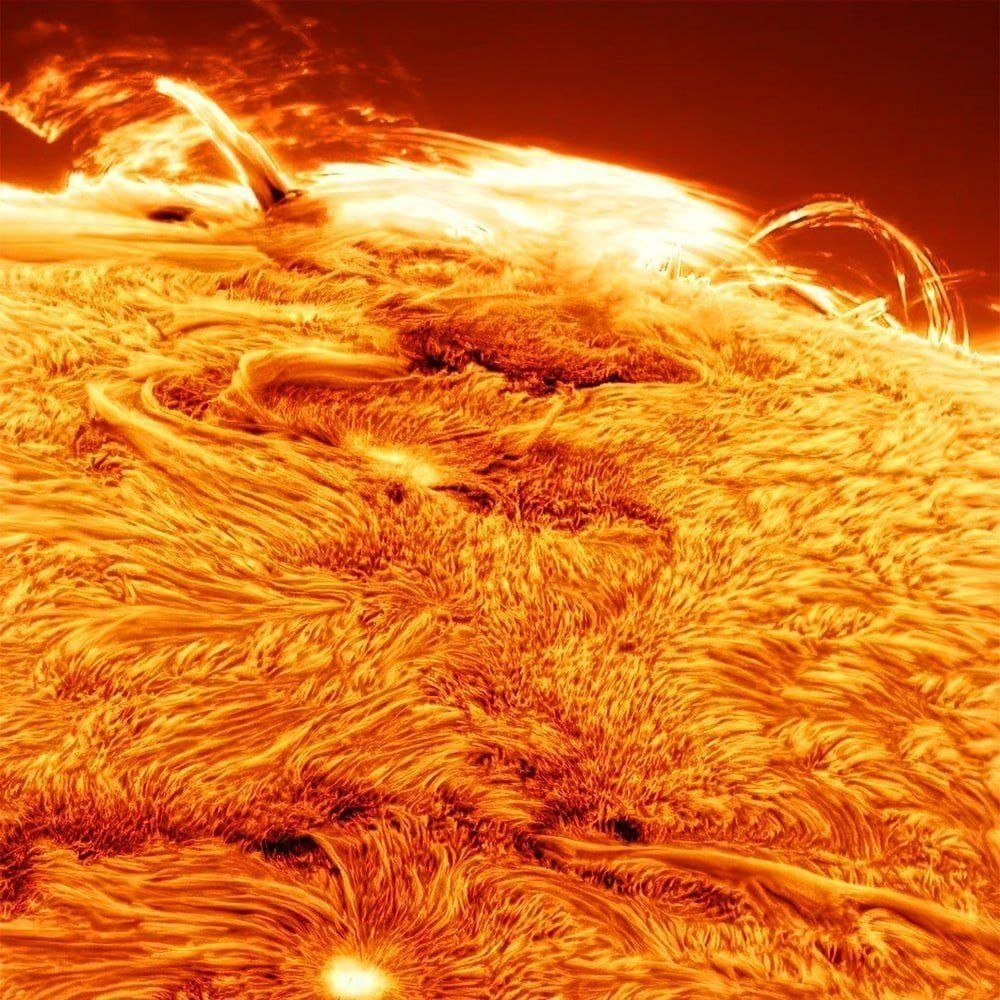
Studying the Sun up close is crucial for understanding its behavior and the impact it has on our planet. Scientists use specialized telescopes and spacecraft to observe solar phenomena and gather valuable data. By monitoring the Sun's activity, researchers can predict solar storms and their potential effects on Earth, such as disruptions to satellites, power grids, and communication systems.