Space

Innospace Concludes Investigation into the Hanbit-Nano Rocket Accident

Innospace Concludes Investigation into the Hanbit-Nano Rocket Accident In December 2025, a South Korean rocket experienced an explosion in the combustion chamber of its first stage. The lack of tightness leading to the accident was attributed to an error in the reassembly of the hybrid engine chamber. As a response, developers will enhance the rocket's design and implement stricter quality control measures for its components.
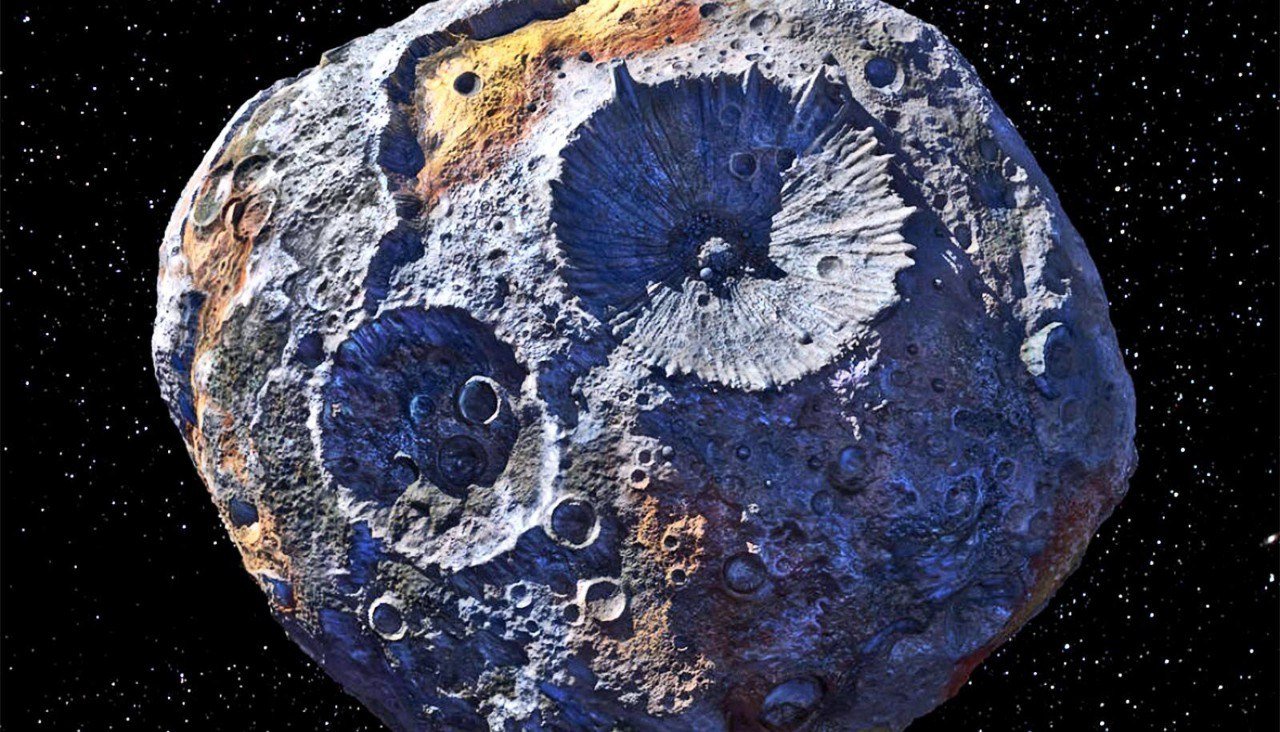

Studying Craters Reveals Insights into Asteroid Psyche

Studying Craters Reveals Insights into Asteroid Psyche Psyche, one of the largest metallic asteroids, has two proposed structures: either a layered composition with a metal core and rocky mantle or a homogeneous mix of metal and rock. To investigate these theories, researchers from the University of Arizona conducted calculations to understand the formation of a crater near the asteroid's north pole. In 2029, NASA plans to send its spacecraft Psyche to study the asteroid up close, aiming to unlock the mysteries surrounding its composition and structure.


Sls Rocket for Artemis II Moon Mission Set to Roll Out Again on March 19

Sls Rocket for Artemis II Moon Mission Set to Roll Out Again on March 19 The SLS carrier was taken back to the vertical assembly building on February 26 due to a helium supply issue. If all goes as planned, the SLS launch for the Artemis II Moon mission is scheduled for April 2, with alternative launch dates in Moscow time ranging from April 3 to 7 and May 1.


strategic partnership between roscosmos and fmba of russia reaches new heights

strategic partnership between roscosmos and fmba of russia reaches new heights Roscosmos Director Dmitry Bakanov and the head of the Federal Medical Biological Agency (FMBA) of Russia, Veronika Skvortsova, discussed advancing medical support for cosmonauts and employees in the space industry, along with scientific projects in space medicine. Key initiatives: Medical care for over 134,000 Roscosmos personnel and their families Implementation of "digital" health centers and AI-driven "personal medical assistants" for health monitoring Establishment of a scientific-experimental base including a simulation trainer for a planetary base with a barochamber, a complex to create a hypomagnetic environment, a site with lunar soil, among others. Experts from the FMBA of Russia have submitted proposals to design a versatile medical-biological module for the Russian Orbital Station to the Russian Academy of Sciences Space Council.


Development of lunar lander modules for the "Artemis" program is behind schedule

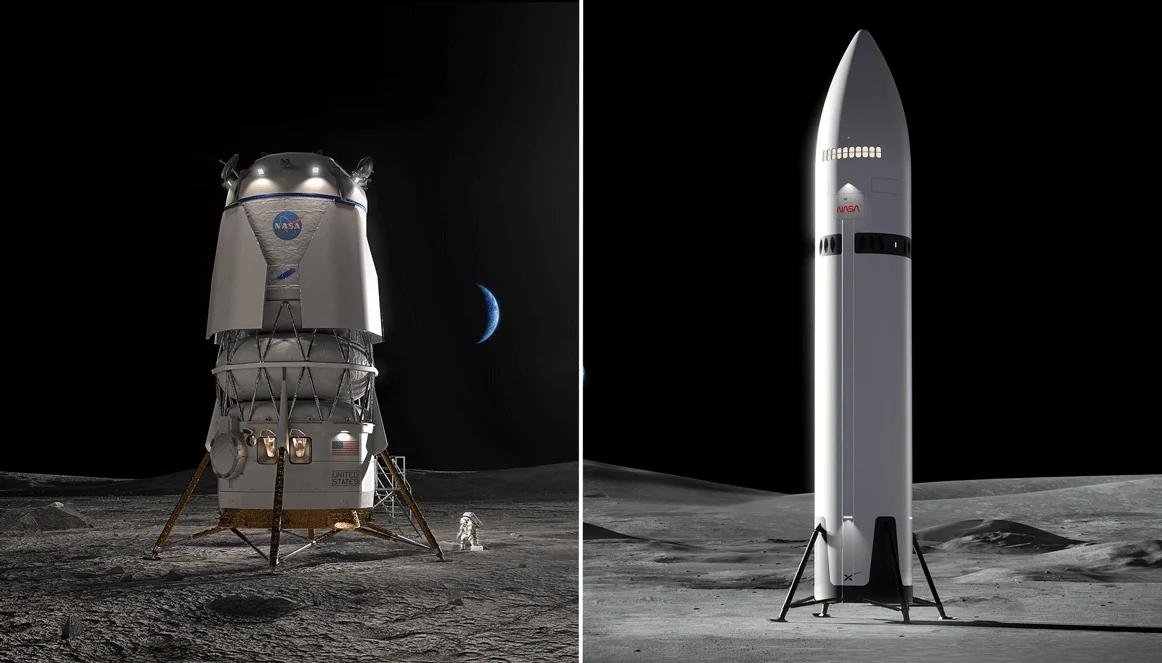
Development of lunar lander modules for the "Artemis" program is behind schedule The development of the lunar version of Starship is facing a delay of at least 2 years, while the Blue Moon lander project is approximately 8 months behind schedule. A key technical hurdle in this process is the handling of cryogenic fuel.


Last Full Moon of 2024 Shines Over Yosemite

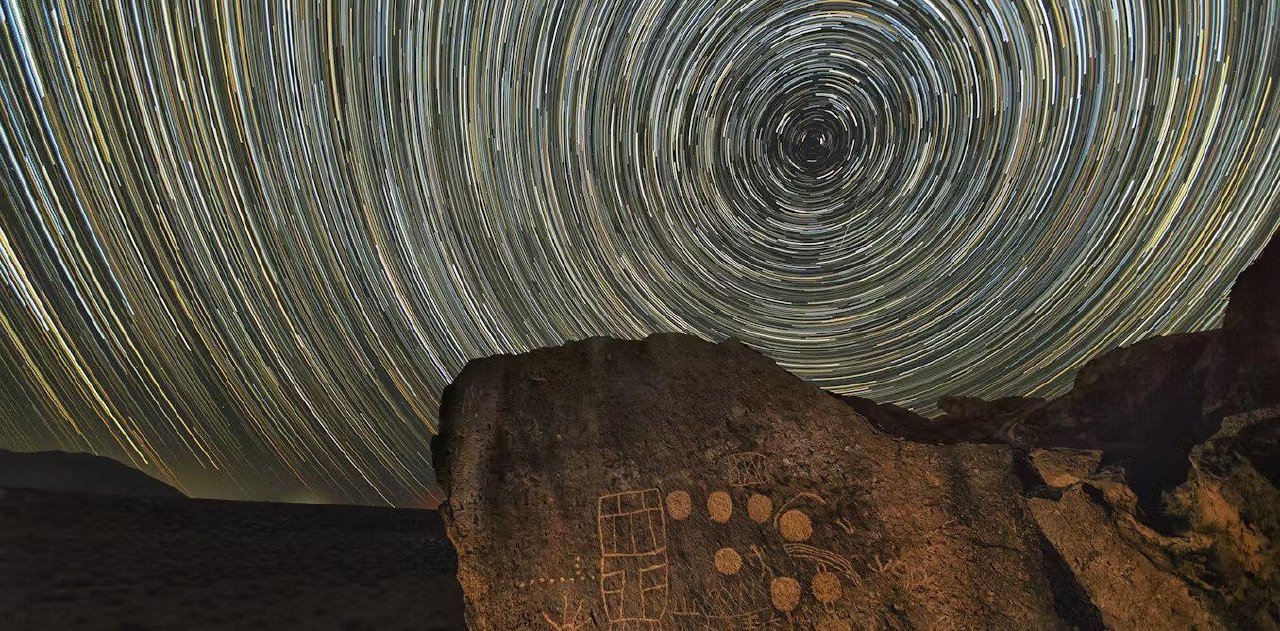
Last Full Moon of 2024 Shines Over Yosemite This photograph portrays the enchanting scene of the last full moon of 2024 in Yosemite National Park. The serene night sky and moonlight combine to enhance the park's natural beauty and create a mystical ambiance. 🌲✨ The moonlight gracefully illuminates Yosemite's iconic cliffs and dense forests, turning the familiar surroundings into captivating fairytale-like settings. This image beautifully underscores the harmonious and awe-inspiring nature of our planet, even during the nighttime.


Russian Scientists Seek Ideal Site for Large-Scale Universe Research Facility

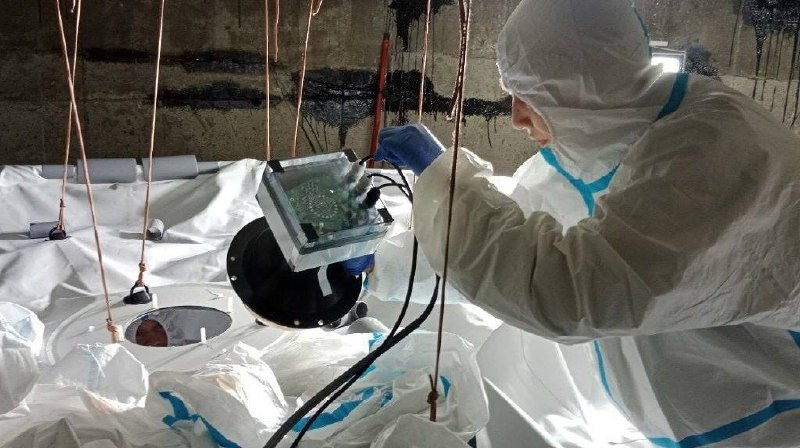
Russian Scientists Seek Ideal Site for Large-Scale Universe Research Facility The new astrophysical complex, TAIGA-100, aims to explore gamma radiation and cosmic rays with extremely high energies. Spanning about 100 km², the facility will comprise roughly 3,000 stations. Potential locations under review include the Borgoy Steppe in Buryatia, the vicinity of Gakhany village in the Irkutsk region, Chuya Steppe in the Altai Republic, and the surroundings of Yashkul, Khaltura, and Burovoy settlements in Kalmykia.


Solar Wind Penetrates Norway Due to Weakened Magnetic Field

Solar Wind Penetrates Norway Due to Weakened Magnetic Field The weakening of the Earth's magnetic field, referred to as "Teresa," has led to the penetration of the solar wind into Norway. This phenomenon has resulted in increased solar wind interaction with the Earth's atmosphere in Norway, impacting various geophysical processes.


China Threatens to Disconnect Nigeria's Communication Satellite Over Unpaid Debt

China Threatens to Disconnect Nigeria's Communication Satellite Over Unpaid Debt The geostationary satellite NigComSat-1R, Nigeria's sole communication satellite launched in 2011, faces a threat from Chinese company "Great Wall." They have given a 30-day ultimatum to settle a $11.44 million debt for management fees. Failure to pay may result in the deactivation of the satellite's transponders.


Twin Brother of Meteorite Passed Near Earth

Twin Brother of Meteorite Passed Near Earth On the evening of March 7, asteroid 2026 EM flew within 30,000 kilometers of Earth. Less than 24 hours later, a meteorite fell and broke apart over western Germany. Both celestial objects are believed to be part of the Apollo group, a collection of asteroids that are classified as potentially hazardous due to their proximity to Earth.