Space

Russian Schoolchildren and Students Use Satellite Data to Find "Missing" Ship

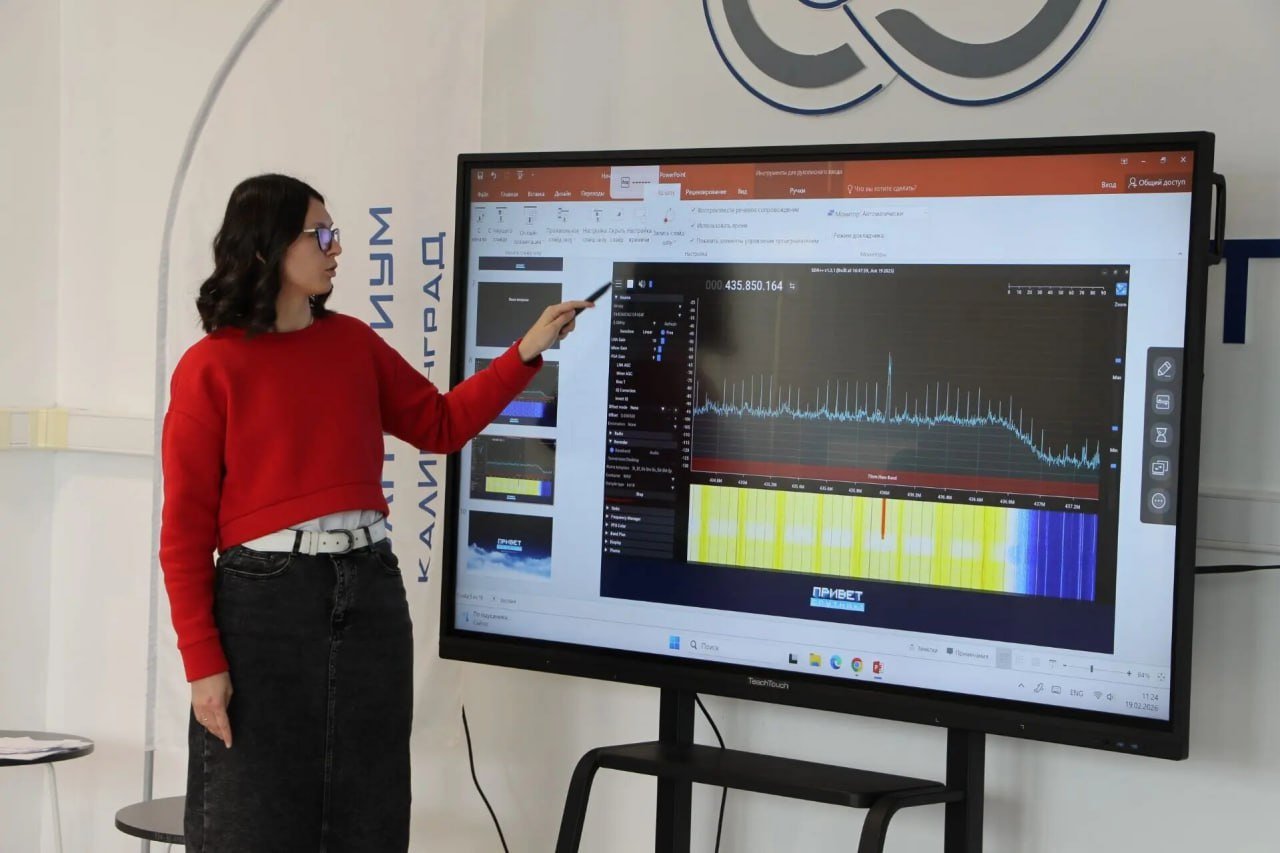
Russian Schoolchildren and Students Use Satellite Data to Find "Missing" Ship Young engineers gathered at the Baltic Federal University for the "Hello, Satellite!" hackathon. Participants were taught to receive signals, process them, and analyze data, demonstrating a practical application of satellite technology in the search for a "missing" ship.


Chinese Commercial Spaceport Expands to Eight Launch Complexes

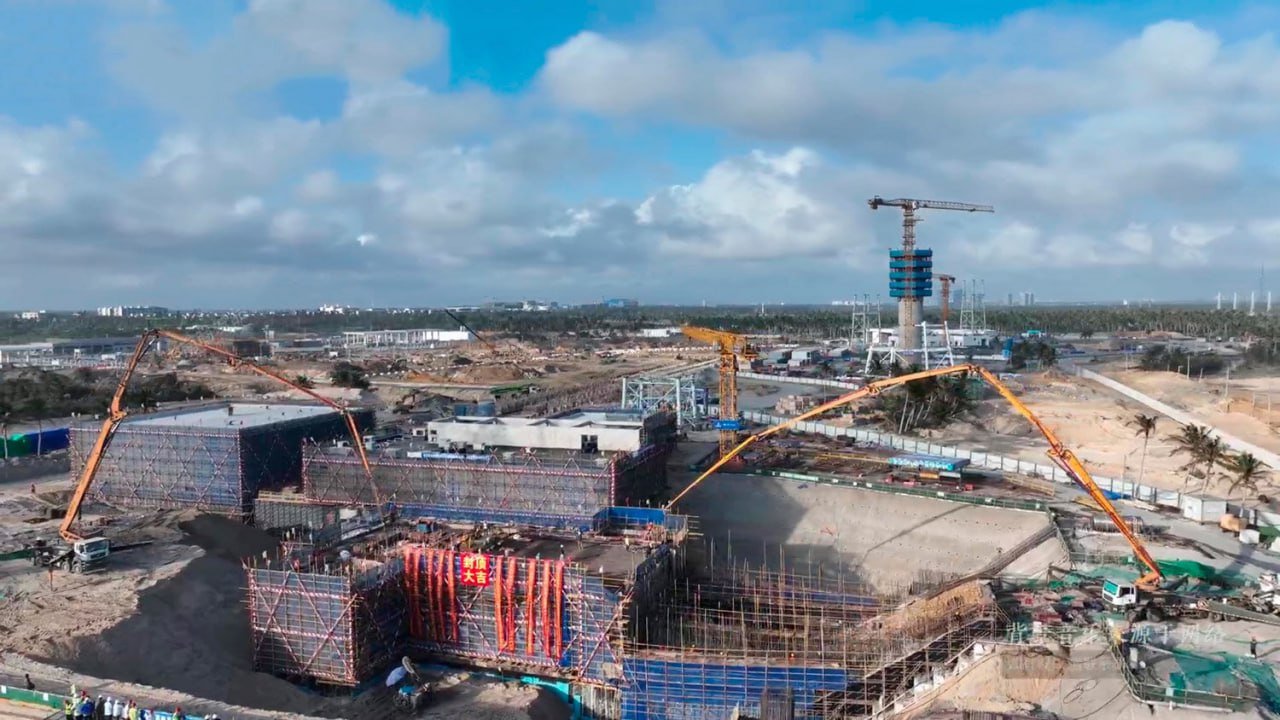
Chinese Commercial Spaceport Expands to Eight Launch Complexes The Hainan Spaceport is undergoing significant expansion, with the development taking place in three stages. The first two launch complexes, No. 1 and No. 2, were completed between 2022 and 2024, featuring vertical rocket assembly and horizontal rocket transport to the launch site, respectively. Construction on two more complexes, No. 3 and No. 4, commenced in 2025. The next phase involves an environmental impact assessment, paving the way for the construction of an additional four complexes in the final stage. By 2030, the Chinese commercial spaceport aims to increase its launch capacity significantly, with plans to conduct as many as 100 launches annually. This expansion reflects China's ambitions to strengthen its presence in the commercial space industry and establish itself as a key player in the global space market.
Turning Mars into a new Earth would require a significant amount of resources, according to astrophysicist and engineer Vyacheslav Turyshev. He detailed the obstacles to transforming the Red Planet into a habitable world similar to our own. Turyshev expressed the belief that the current energy generation capabilities of humanity fall short of what is needed for such a monumental task.

Turning Mars into a new Earth would require a significant amount of resources, according to astrophysicist and engineer Vyacheslav Turyshev. He detailed the obstacles to transforming the Red Planet into a habitable world similar to our own. Turyshev expressed the belief that the current energy generation capabilities of humanity fall short of what is needed for such a monumental task. **♻️** **How many resources are needed to turn Mars into a new Earth?** Astrophysicist and engineer Vyacheslav Turyshev [explained in detail](https://prokosmos.ru/2026/03/10/prevrashchenie-marsa-v-novuyu-zemlyu-skolko-vodi-i-energii-potrebuetsya-na-samom-dele?utm_source=telegram&utm_medium=messenger) the obstacles to making the Red Planet a copy of our own. The scientist believes that humanity is currently unable to generate enough energy to terraform Mars.


Jupiter's Multicolored Cloud Bands Explained

Jupiter's Multicolored Cloud Bands Explained The high layers of Jupiter's atmosphere feature distinct light zones and dark belts, driven by powerful horizontal winds surpassing 300 km/h, spreading across the planet due to upwelling gases. While Jupiter's atmosphere primarily comprises transparent hydrogen and helium, these gases alone cannot create the planet's iconic golden and brown hues, sparking ongoing research into the compounds responsible for coloring the atmosphere. One prevailing theory suggests that minimal quantities of sulfur and carbon, modified by sunlight, might be the key components behind Jupiter's vibrant multicolored cloud bands.


Russia Develops New Aluminum Alloy for Aviation and Space

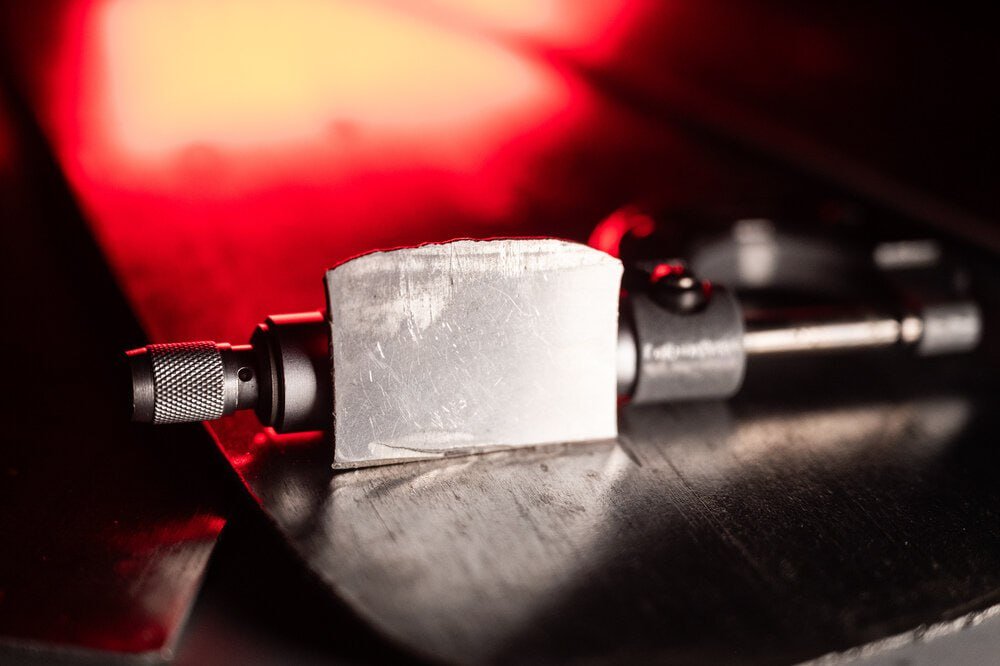
Russia Develops New Aluminum Alloy for Aviation and Space Specialists from NITU MISIS have developed a new aluminum alloy that surpasses widely used industrial analogs in strength and ductility by 30-40%. The alloy creation process involves melting all components, mixing, pouring into ingots, rolling into sheets, quenching, and using an aging method with tin micro-additive.


nasa satellite falling to earth

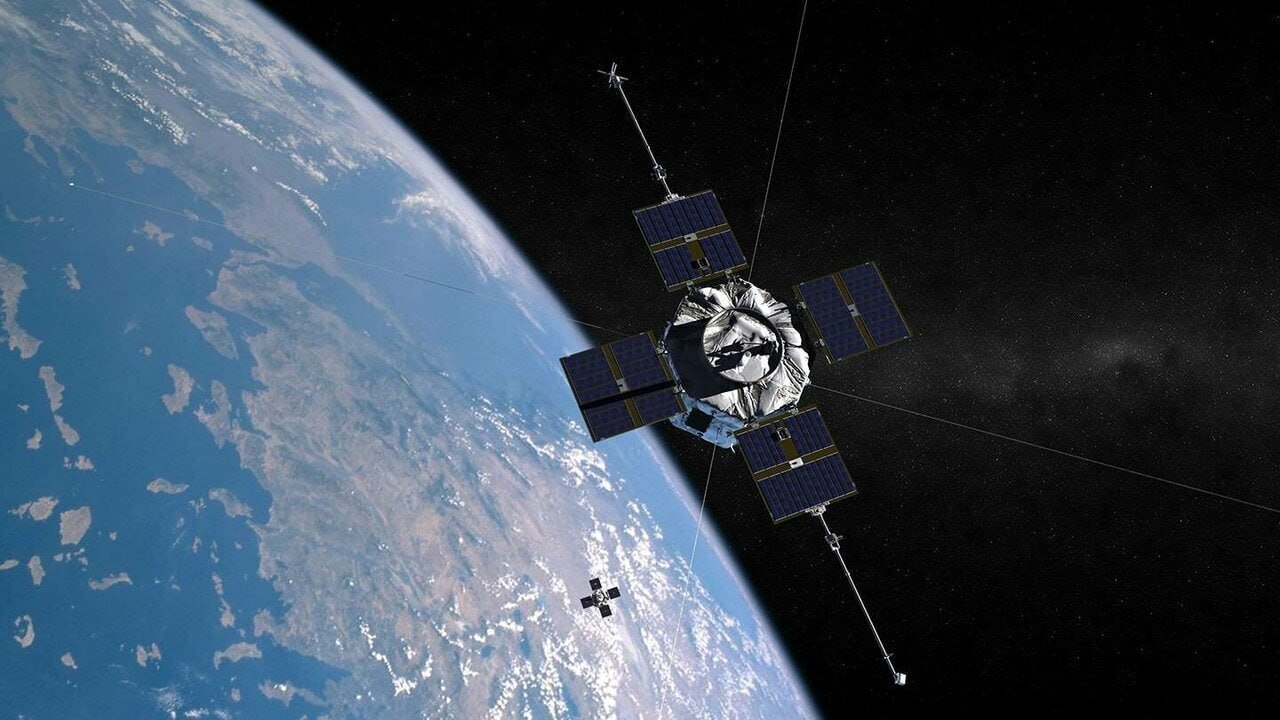
nasa satellite falling to earth The spacecraft Van Allen Probe A, launched in 2012 to study the planet's radiation belts, will re-enter the atmosphere on the night of March 11th. The 600-kilogram device is predicted to burn up almost entirely during re-entry. The likelihood of harm to individuals is minimal, estimated at approximately 1 in 4200.


Moon Flash!

Moon Flash! Japanese astronomer Daichi Fujii recently recorded a flash on the dark side of the Moon. Due to the lack of an atmosphere, objects can hit the Moon's surface undisturbed, creating flashes upon impact. These flashes are more visible in darkness, as the illuminated side is very bright.


Surveyor 6: Pioneer of Lunar Exploration

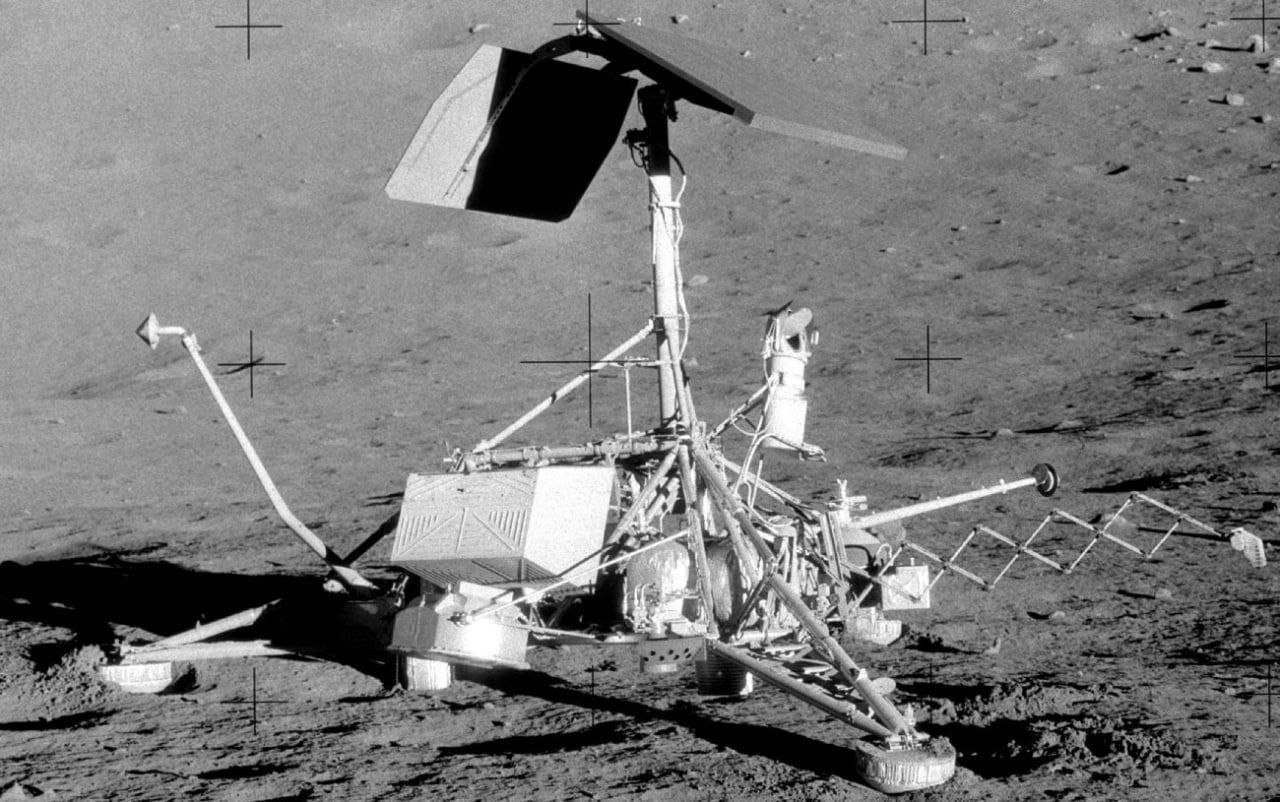
Surveyor 6: Pioneer of Lunar Exploration On November 7, 1967, the automatic interplanetary station Surveyor 6 made a successful soft landing on the Moon. This mission is particularly notable for its innovative "lunar hop" maneuver, followed by a redocking action on the lunar surface. Surveyor 6 is remembered as a trailblazer in lunar exploration, demonstrating advanced capabilities and techniques that paved the way for future missions to the Moon.


Earth from the International Space Station

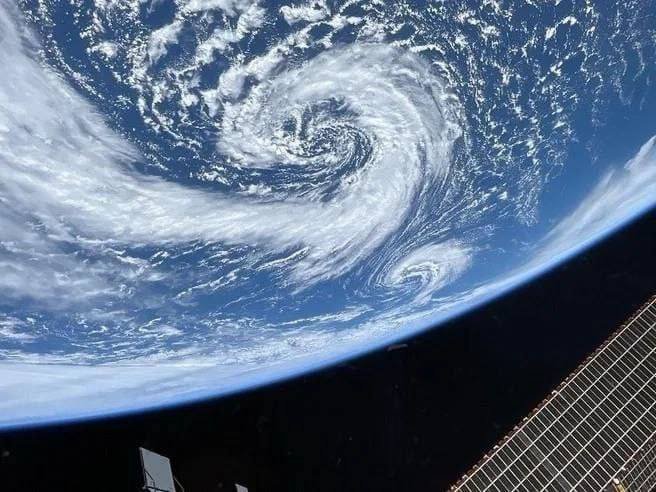
Earth from the International Space Station The International Space Station (ISS) provides a unique vantage point to observe Earth from space. Orbiting approximately 250 miles above the planet, astronauts onboard the ISS can capture breathtaking views of Earth's landscapes, weather patterns, and city lights. The ISS orbits the Earth about every 90 minutes, allowing for multiple opportunities to photograph different regions and phenomena. This perspective from the ISS not only offers stunning imagery but also serves scientific purposes. Researchers use these images to study Earth's climate, natural disasters, urbanization, and environmental changes. The data collected from the ISS helps scientists gain valuable insights into various global phenomena and aids in making informed decisions regarding Earth's sustainability and conservation.


92 Years Since the Birthday of the First Planet Cosmonaut!

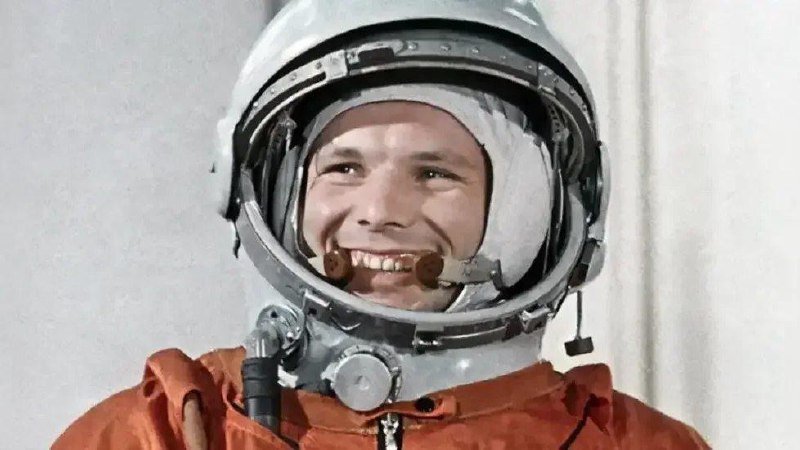
92 Years Since the Birthday of the First Planet Cosmonaut! On April 12, 1961, from the Baikonur Cosmodrome, the spacecraft "Vostok" with a cosmonaut-pilot aboard launched. Gagarin's flight lasted 106 minutes. His smile and iconic phrase "Let's go!" remain the main symbols of the space age.