Space

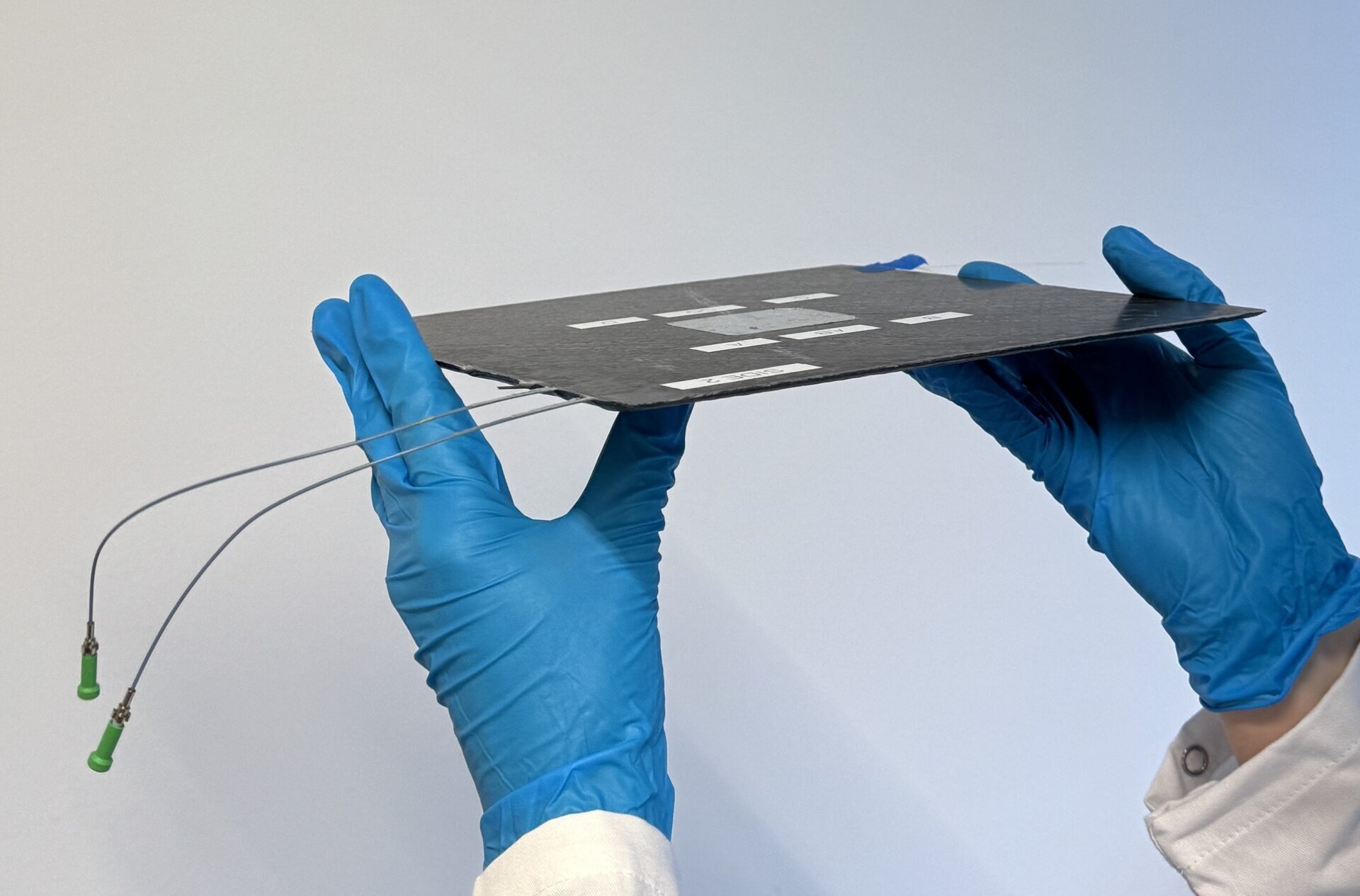
European Space Agency Tests Self-Healing Material

European Space Agency Tests Self-Healing Material The European Space Agency is experimenting with self-healing material. Fiber-optic sensors detect damage, and an embedded aluminum lattice heats the material to 100–140 °C, allowing the self-healing component to fill microcracks. This technology could potentially be utilized in rockets and spacecraft in the future.
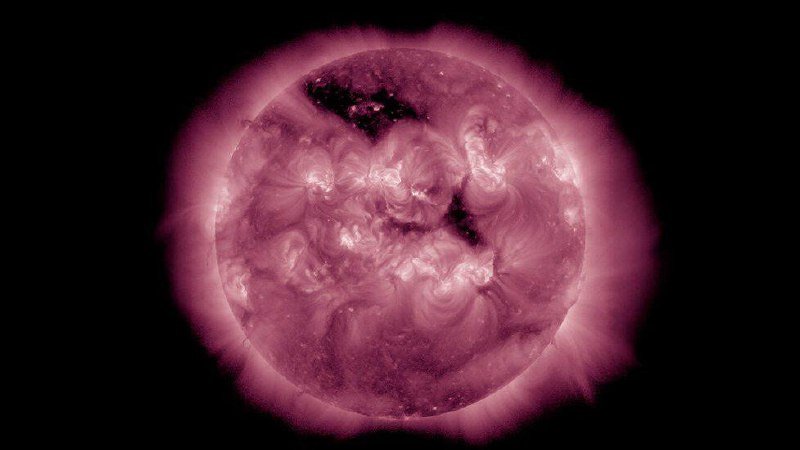
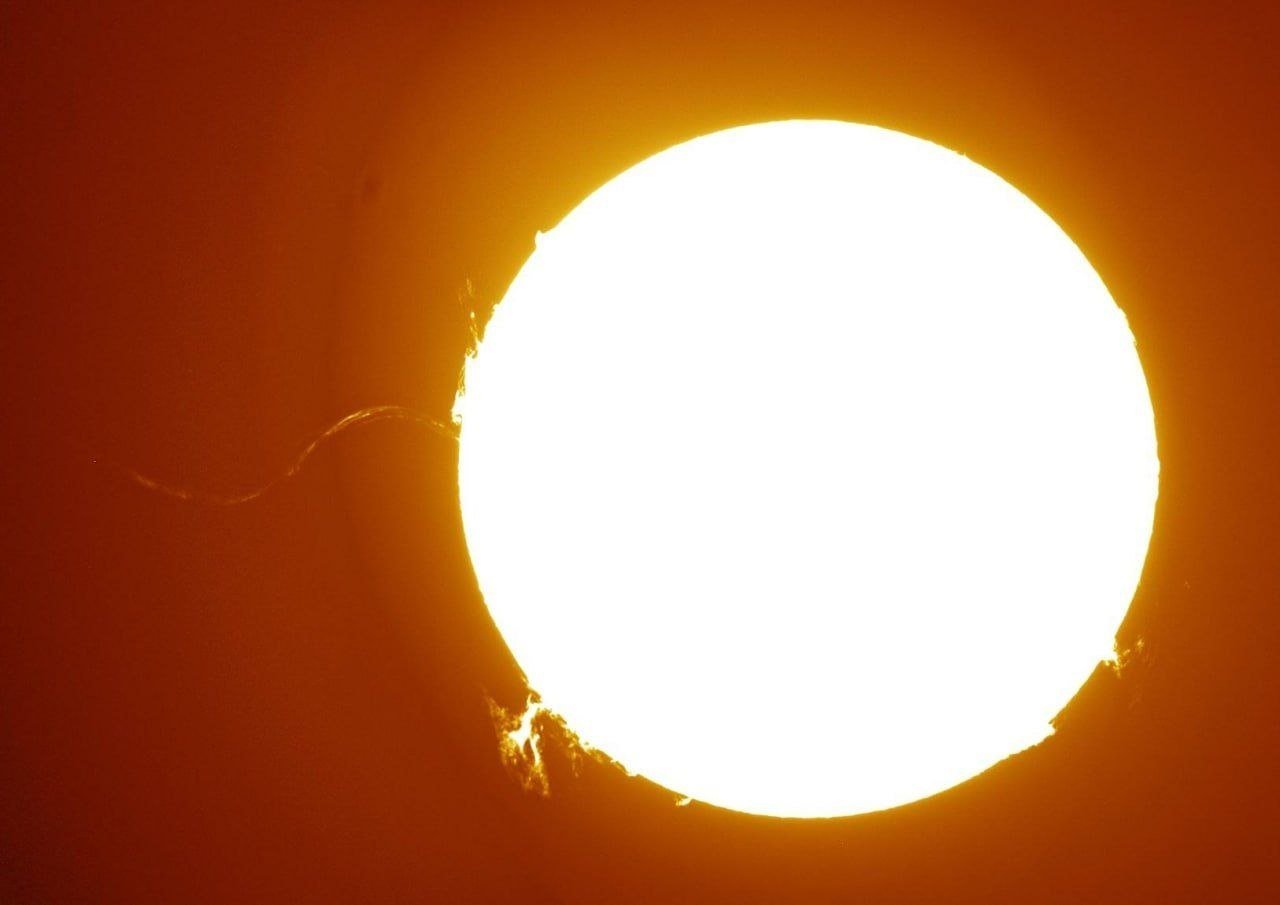
Magnetic storms Forecasted After Sun Activity

Magnetic storms Forecasted After Sun Activity Two new energy-rich spots appeared on the Sun yesterday. The Institute of Solar Astronomy of the Russian Academy of Sciences predicts a 50% chance of weak G1-class magnetic storms occurring today.


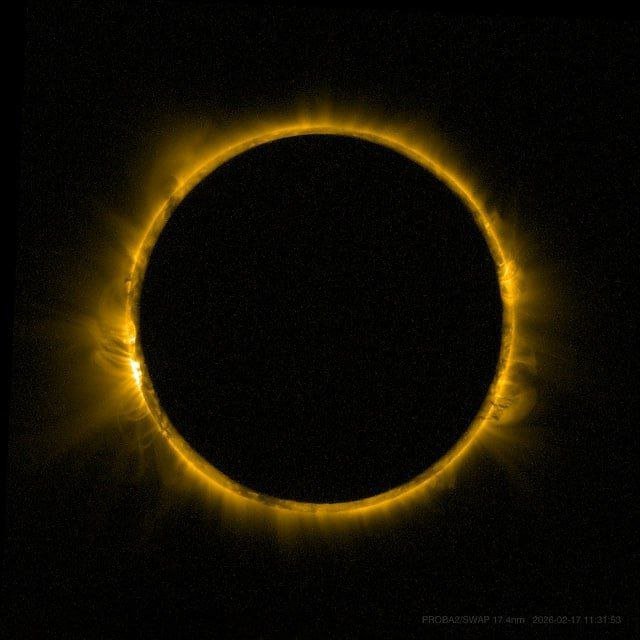
Annular Solar Eclipse Observed on Earth

Annular Solar Eclipse Observed on Earth On February 17, an annular solar eclipse occurred, visible only in Antarctica and the southern Indian Ocean. Unfortunately, only a limited audience, including penguins, fish, and around a hundred individuals, could witness its maximum phase. However, with the help of the Proba-2 satellite, the eclipse is now viewable to a wider audience.


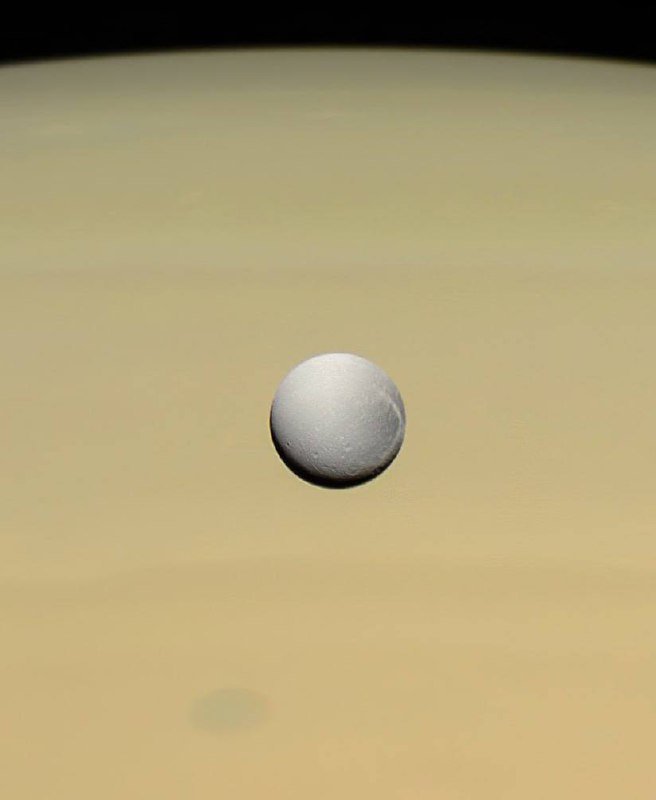
Saturn's moon Dione Shines Against Gas Giant's Atmosphere

Saturn's moon Dione Shines Against Gas Giant's Atmosphere Saturn's moon Dione was captured against the backdrop of the gas giant's yellowish atmosphere by the spacecraft Cassini in December 2005.


NASA Reveals Menu for "Artemis-2" Mission

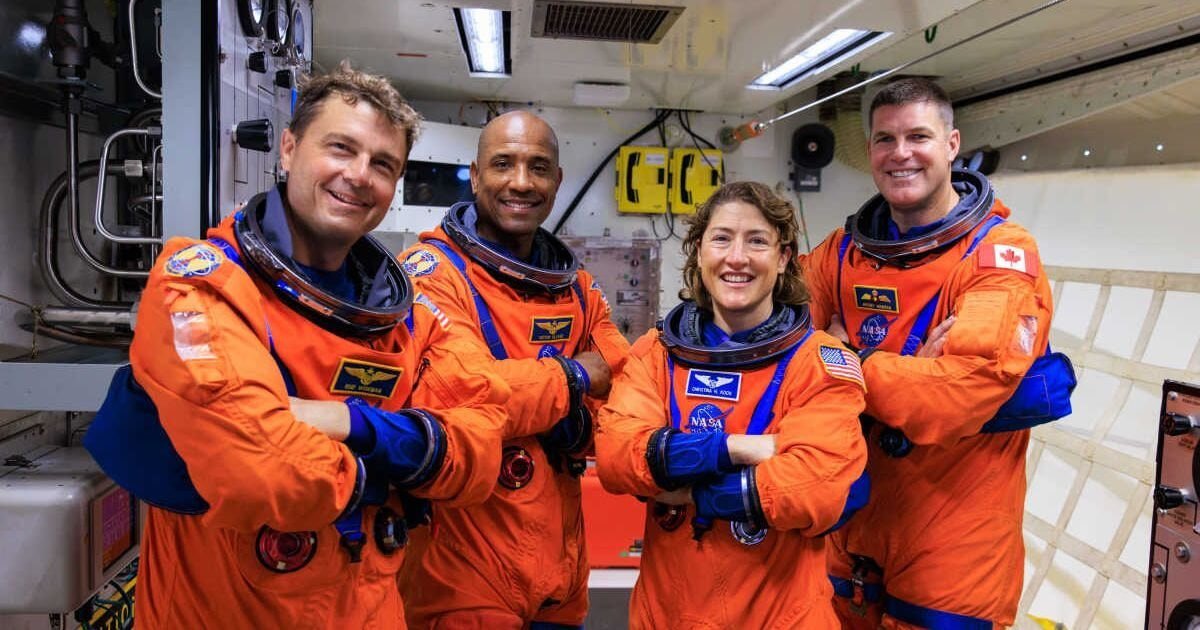
NASA Reveals Menu for "Artemis-2" Mission Engineers and dietitians have curated a menu of 189 dishes for the crew of the "Artemis-2" mission, focusing on longevity, safety, and space efficiency. The menu features 43 cups of coffee, bacon, and a mango salad, along with five Canadian products. The extensive menu includes a variety of beverages like green tea, lemonade, and apple cider, as well as main courses such as vegetable quiche, beef brisket with barbecue sauce, and macaroni and cheese. Appetizers range from mango salad to granola with blueberries and almonds, offering a diverse selection to the crew.


First private Indian space rocket Vikram-1 to launch in April

First private Indian space rocket Vikram-1 to launch in April The lightweight class rocket Vikram-1 is set to launch satellites weighing up to 350 kg into low Earth orbit and up to 260 kg into sun-synchronous orbit. The carrier's structure is constructed from carbon composite, and it features a 3D-printed liquid engine.


Martian Moon Phobos and Olympus Mons Captured in Image

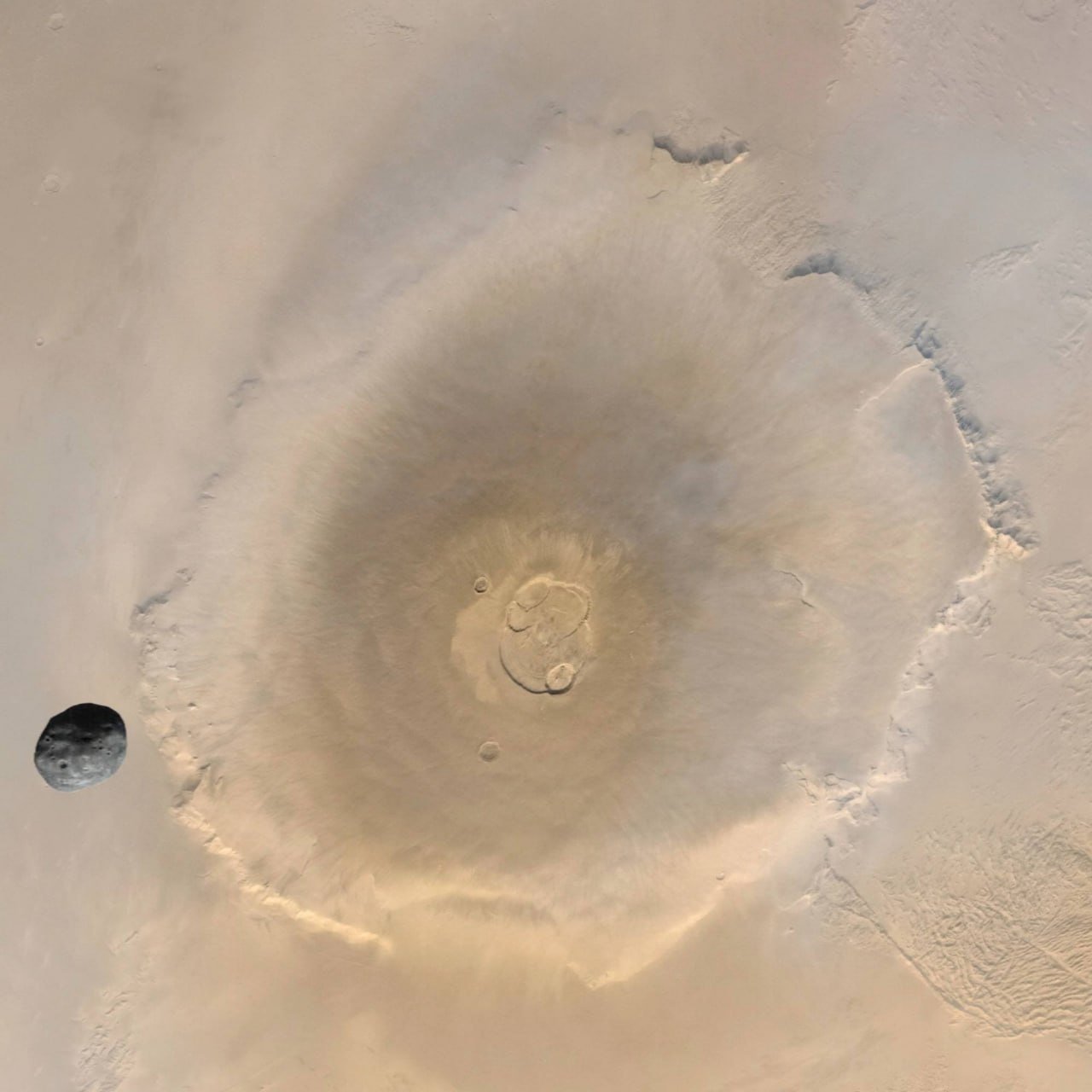
Martian Moon Phobos and Olympus Mons Captured in Image The image showcases the moon Phobos and the Martian mountain Olympus, captured by the "Mars Express" spacecraft. Phobos, one of Mars' two moons (alongside Deimos), is named after the ancient Greek god Phobos, meaning "Fear." It has dimensions of 26.8×22.4×18.4 km.


Stunning Full Moon Illuminates Niagara Falls

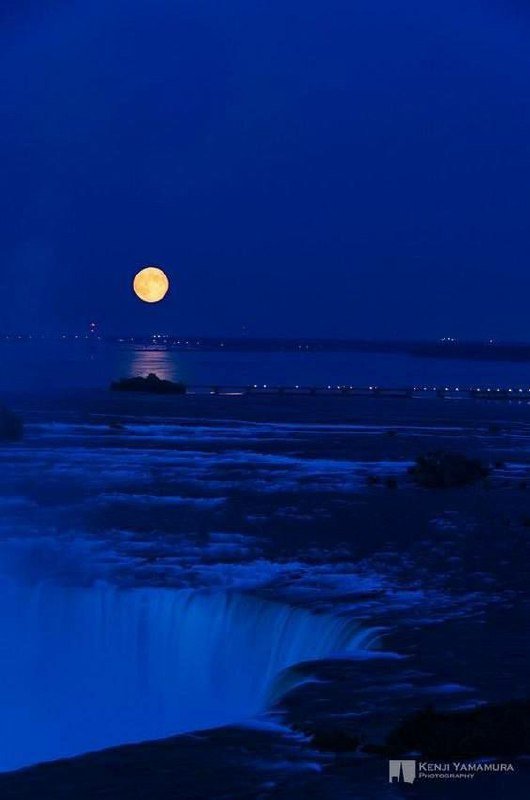
Stunning Full Moon Illuminates Niagara Falls The full moon's mesmerizing glow illuminated the majestic Niagara Falls, creating a breathtaking sight for onlookers. The natural beauty of the falls was enhanced by the ethereal light of the moon, casting a magical aura over the iconic landmark. Visitors and locals alike were captivated by the stunning display, with many taking in the rare and enchanting scene. The combination of the powerful waterfalls and the serene moonlight created a truly unforgettable experience for all who witnessed it.


Let's take a quiz break

Let's take a quiz break Gravity is a fundamental force in the Universe. Test your knowledge with the following questions: 1. What is the force that pulls objects towards the center of the Earth? 2. Who discovered the law of universal gravitation? 3. What is the approximate acceleration due to gravity on Earth? 4. Does gravity have an effect on light? 5. What is the term for the point in space where the gravitational pull of a celestial body is zero? Answer the questions to see how well you know about gravity!


Why and How is the Head of NASA Rebuilding the US Lunar Program?

Why and How is the Head of NASA Rebuilding the US Lunar Program? The head of NASA is restructuring the US lunar program, with the second "Artemis" mission now planned to orbit the Moon, delaying the surface landing to the fourth flight. Jared Isaacman, the new NASA administrator, has stated reasons for the agency's shift, including abandoning the modernization of the SLS rocket. The readiness of the Orion and Starship spacecraft is also under scrutiny. Space expert Igor Afanasyev has provided analysis on these developments.